Archives
- 2026-08
- 2026-07
- 2026-06
- 2026-05
- 2026-04
- 2026-03
- 2026-02
- 2026-01
- 2025-12
- 2025-11
- 2025-10
- 2025-09
- 2025-03
- 2025-02
- 2025-01
- 2024-12
- 2024-11
- 2024-10
- 2024-09
- 2024-08
- 2024-07
- 2024-06
- 2024-05
- 2024-04
- 2024-03
- 2024-02
- 2024-01
- 2023-12
- 2023-11
- 2023-10
- 2023-09
- 2023-08
- 2023-07
- 2023-06
- 2023-05
- 2023-04
- 2023-03
- 2023-02
- 2023-01
- 2022-12
- 2022-11
- 2022-10
- 2022-09
- 2022-08
- 2022-07
- 2022-06
- 2022-05
- 2022-04
- 2022-03
- 2022-02
- 2022-01
- 2021-12
- 2021-11
- 2021-10
- 2021-09
- 2021-08
- 2021-07
- 2021-06
- 2021-05
- 2021-04
- 2021-03
- 2021-02
- 2021-01
- 2020-12
- 2020-11
- 2020-10
- 2020-09
- 2020-08
- 2020-07
- 2020-06
- 2020-05
- 2020-04
- 2020-03
- 2020-02
- 2020-01
- 2019-12
- 2019-11
- 2019-10
- 2019-09
- 2019-08
- 2019-07
- 2019-06
- 2019-05
- 2019-04
- 2018-07
-
br Conformational Activation of APC
2021-05-20
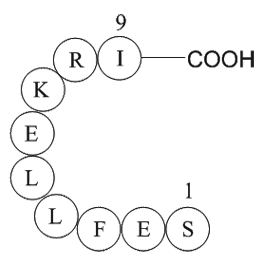
Conformational Activation of APC/C Enables Binding to the Coactivator CDC20 APC/C comes to life by binding a coactivator. This is controlled in part by phosphorylation and APC/C conformational changes that expose the MK2 inhibitor for the C box and IR tail of the coactivator. In interphase when
-
Multi subunit RING type E ligases
2021-05-20
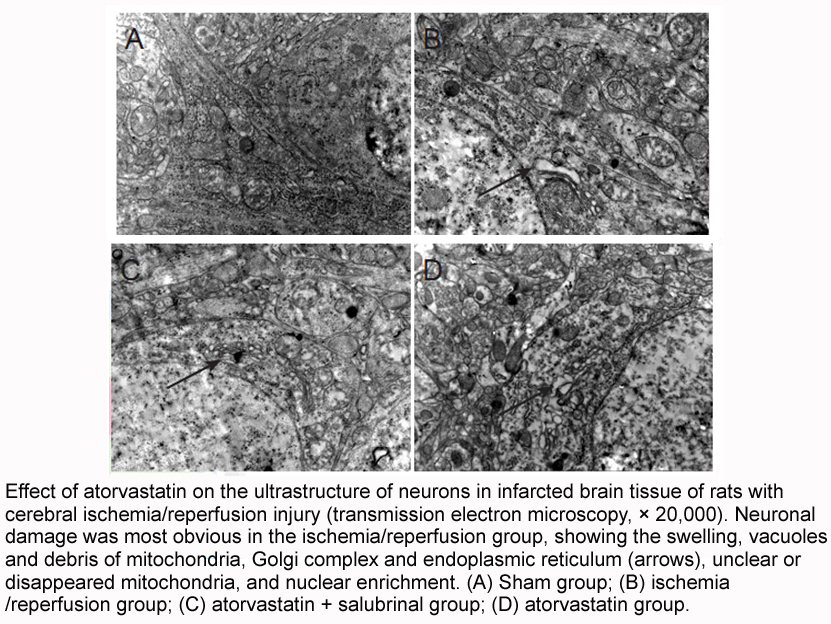
Multi-subunit RING-type E3 ligases are exemplified by the CULLIN-RING-ligase (CRL) and the anaphase-promoting complex/cyclosome (APC/C) [19]. CRLs constitute the biggest family of other multi-component E3 ligases. These consist of a cullin scaffold protein (CULLIN 1, 2, 3, 4A, 4B, 5, 7), a substrate
-
br Regulation of p via the ubiquitin proteasome pathway
2021-05-20
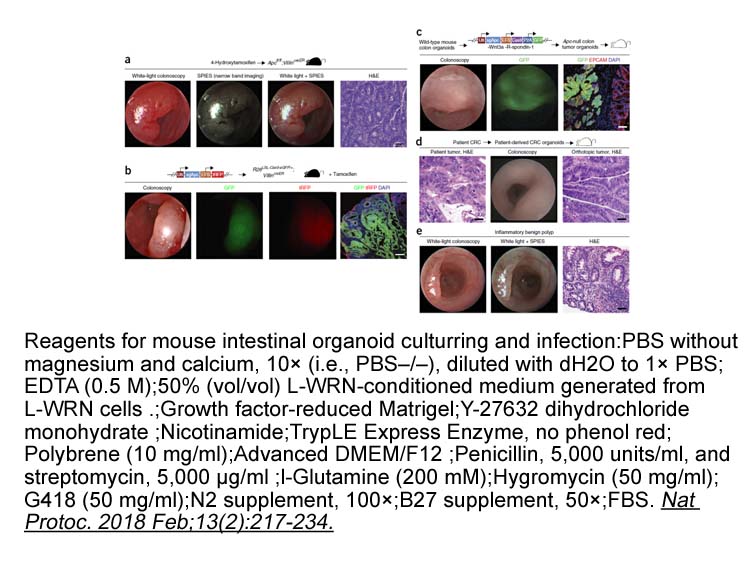
Regulation of p53 via the ubiquitin-proteasome pathway Studies into regulation of p53 via PTM processes that involve phosphorylation, acetylation, ubiquitination, SUMOylation, neddylation, and methylation are being increasingly reported [23], [24]. Phosphorylation and acetylation of p53 stimulate
-
Cyclin D inhibits the transcriptional activity of
2021-05-20
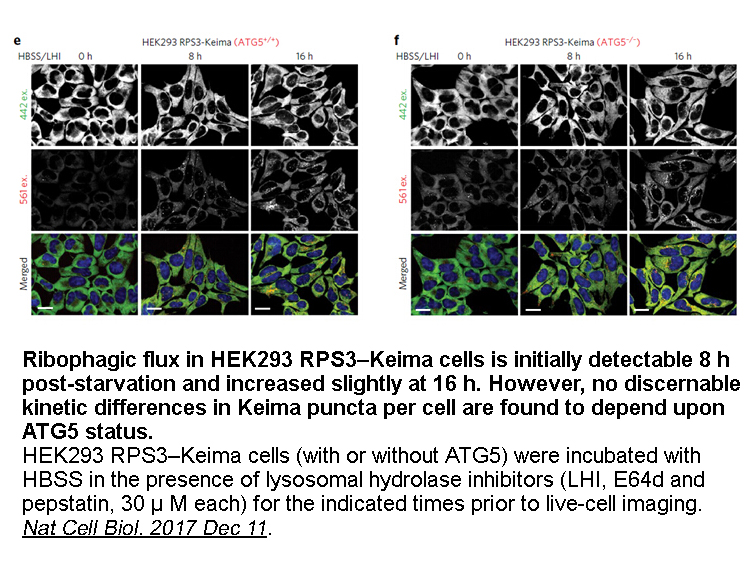
Cyclin D1 inhibits the transcriptional activity of the transcription factors myogenin and MEF2 [39,40]. In addition, myogenin activates MEF2 expression, which feeds back to amplify the myogenin promoter [38]. In this study, DGKδ suppression, in addition to the increase of cyclin D1, inhibited myogen
-
Several reports by us and
2021-05-19
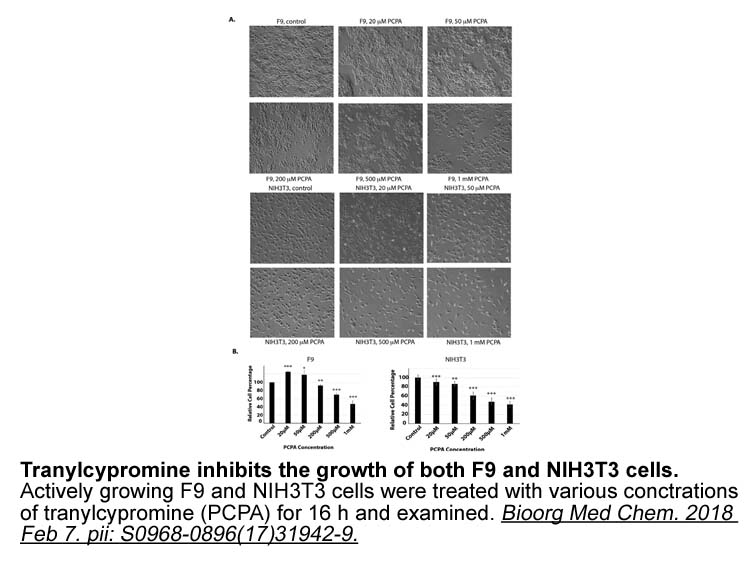
Several reports by us and others have highlighted that dimerization or oligomerization of DDR1 ECD and DDR2 ECD enhances their binding to triple-helical collagen.18, 19, 22, 28, 29, 30, 31 The ECD of DDRs consists of a discoidin domain and a stalk region. It has been reported that independent Efavir
-
br Introduction The discoidin domain receptors
2021-05-19
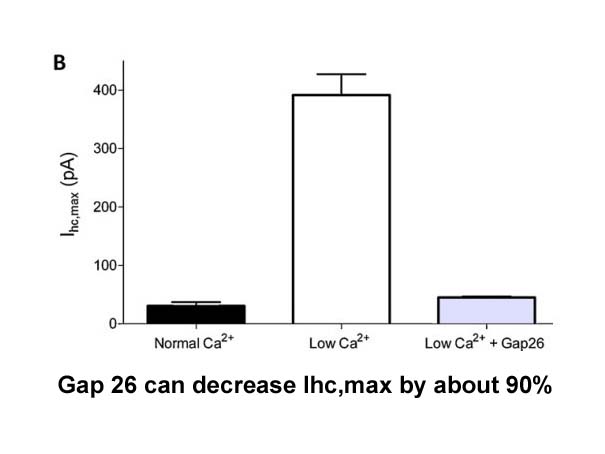
Introduction The discoidin domain receptors (DDRs), DDR1 and DDR2, are unique among the receptor tyrosine kinases (RTKs) in being activated by interaction with the extracellular matrix [1], [2]. Binding to triple-helical collagen is mediated by the receptor extracellular domains that include an N
-
Atg cleaves Atg at the peptide bond on
2021-05-19
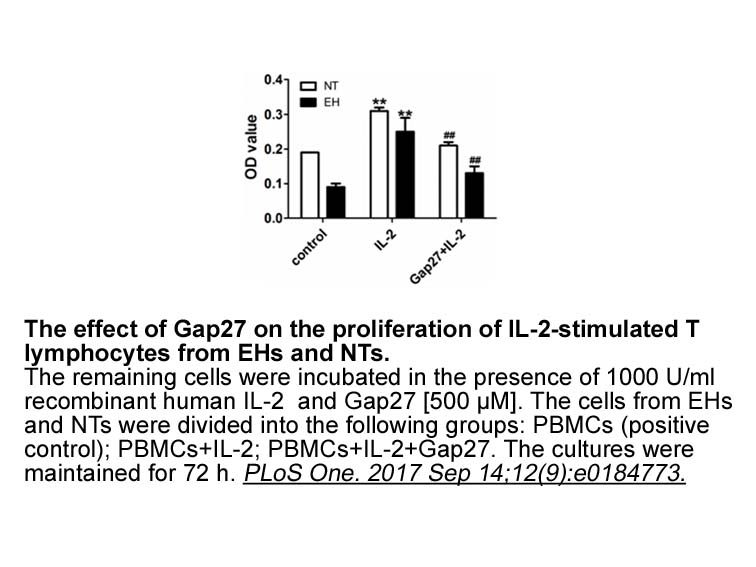
Atg4 cleaves Atg8 at the peptide bond on the glycine residue at the C-terminus, thus allowing the conjugation of Atg8 to phosphatidylethanolamine (PE) with the participation of other autophagy molecules. Atg4 can also serve as a deconjugating enzyme, which cleaves the amide bond of the conjugated At
-
Studies also provide evidence that cytokines such
2021-05-19
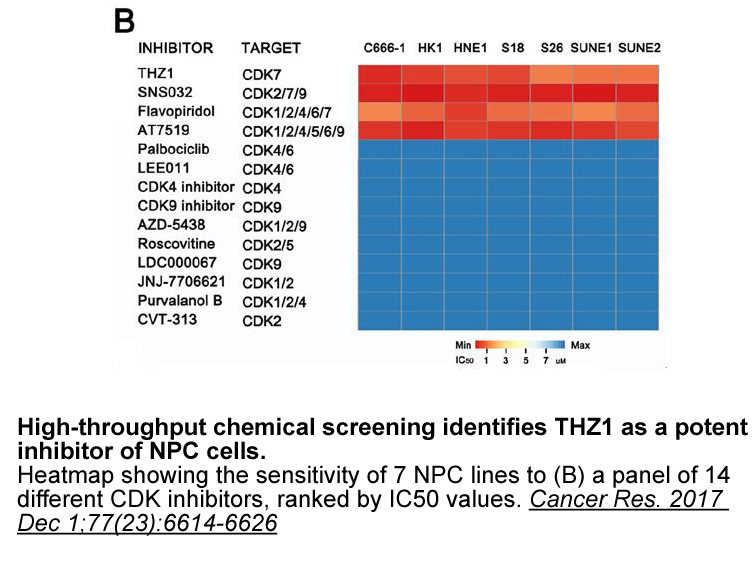
Studies also provide evidence that cytokines such as TGF-β, a TH3-type cytokine, may also play a role in airway remodeling. Data obtained by Cohen et al suggest that TGF-β1 can induce human BSMC proliferation by increasing the expression of IGFBP-3. Hence, the mitogenic action of TGF-β1 could be rel
-
This review focuses on the atomic basis of
2021-05-19
This review focuses on the atomic basis of CRM1-mediated nuclear export. There are now 27 crystal structures of CRM1 in the Protein Data Bank (PDB) (www.rcsb.org) [64]. Collectively, this large body of work explains various aspects of CRM1 function. Here we summarize the structure–function studies t
-
The enzyme cyclooxygenase COX or prostaglandin endoperoxide
2021-05-19
The enzyme cyclooxygenase (COX) or prostaglandin endoperoxide H synthase (PGHS) is the key enzyme in the conversion of arachidonic 8602 synthesis (AA) into prostaglandins (PGs) [1]. In 1991, researchers found that there were two isoforms of this enzyme called COX-1 and COX-2 with independent genes a
-
Noteworthy the transient downregulation of
2021-05-19
Noteworthy, the transient downregulation of the regulatory CK2β subunit reduces HSP27 expression in all the three different human cell lines (Fig. 2b). Similarly, the downregulation of one of the two catalytic subunits, CK2α or CK2α′, is sufficient to affect HSP27 expression without affecting other
-
The underlying mechanisms of how progesterone prolongs pregn
2021-05-19
The underlying mechanisms of how progesterone prolongs pregnancy, although not completely understood, are thought to have to do with reduction in uterine contractility, antimicrobial protein up-regulation, immunosuppression, and inflammatory inhibition. Specific to preterm PROM, progesterone has bee
-
br Acknowledgements Professor Olli A J nne is
2021-05-19
Acknowledgements Professor Olli A. Jänne is warmly thanked for support and for providing excellent research facilities. Professor Patrik Finne is acknowledged for his help with statistical analyses. Drs Ronald Evans, Vincent Giguère, Jorma Palvimo, Malcolm Parker, and Anastasia Kralli are acknowl
-
It is known that cigarette smoke increases the oxidative
2021-05-19
It is known that cigarette smoke increases the oxidative burden in the lungs of mice with emphysema, which leads to oxidative stress [[34], [35], [36]]. However, in addition to cigarette smoke, studies have shown that endogenous oxidative stress is associated with proteolytic EPZ5676 in several mou
-
7915 Expression of EBI and its function
2021-05-19
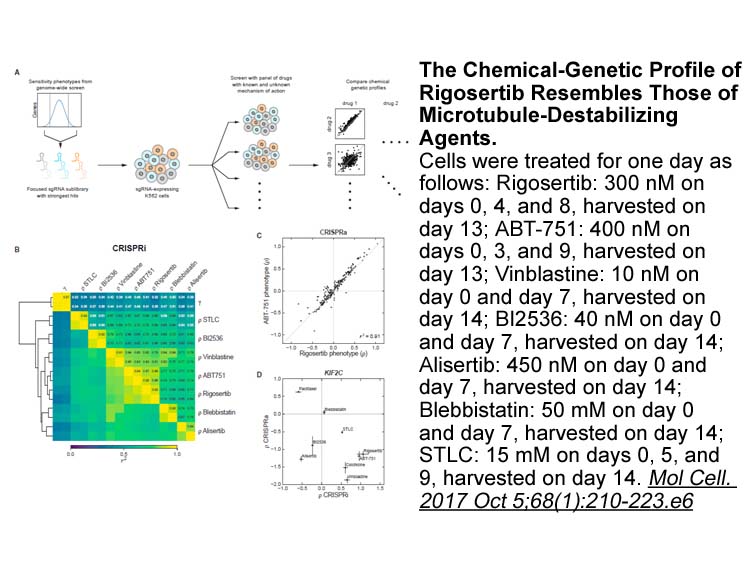
Expression of EBI2 and its function for migration in vitro in T cells was recently reported (Chalmin et al., 2015, Hannedouche et al., 2011, Liu et al., 2011, Pereira et al., 2009). Pereira et al. (2009) used an EBI2 reporter mouse and found that most CD4+ T cells, but only approximately half of the
15801 records 696/1054 page Previous Next First page 上5页 696697698699700 下5页 Last page