Archives
- 2026-10
- 2026-09
- 2026-08
- 2026-07
- 2026-06
- 2026-05
- 2026-04
- 2026-03
- 2026-02
- 2026-01
- 2025-12
- 2025-11
- 2025-10
- 2025-09
- 2025-03
- 2025-02
- 2025-01
- 2024-12
- 2024-11
- 2024-10
- 2024-09
- 2024-08
- 2024-07
- 2024-06
- 2024-05
- 2024-04
- 2024-03
- 2024-02
- 2024-01
- 2023-12
- 2023-11
- 2023-10
- 2023-09
- 2023-08
- 2023-07
- 2023-06
- 2023-05
- 2023-04
- 2023-03
- 2023-02
- 2023-01
- 2022-12
- 2022-11
- 2022-10
- 2022-09
- 2022-08
- 2022-07
- 2022-06
- 2022-05
- 2022-04
- 2022-03
- 2022-02
- 2022-01
-
Decoding Redox Homeostasis: Strategic Guidance for Transl...
2025-10-01
This thought-leadership article examines the mechanistic underpinnings and translational opportunities in redox state analysis, emphasizing the strategic use of reduced and oxidized glutathione quantification. Drawing on recent advances in tumor microenvironment research, immunometabolism, and hypoxia-driven adaptation, we offer actionable guidance to researchers employing the GSH and GSSG Assay Kit. The discussion integrates current literature and competitive perspectives, articulates the clinical relevance of glutathione assays, and projects a visionary outlook for innovation at the interface of redox biology and translational medicine.
-
Mitomycin C: Antitumor Antibiotic for Apoptosis Research
2025-09-30
Mitomycin C stands out as a DNA synthesis inhibitor and TRAIL-induced apoptosis potentiator, enabling researchers to dissect cell death mechanisms in cancer and beyond. Its robust profile empowers advanced experimental workflows, from colon cancer models to p53-independent apoptosis, with unique troubleshooting strategies for reproducible results.
-
Imatinib (STI571): Mechanistic Insights for Personalized ...
2025-09-29
Explore how Imatinib (STI571), a selective protein-tyrosine kinase inhibitor, uniquely enables mechanistic dissection of tumor–stromal interactions and resistance in advanced gastric cancer assembloid models. This in-depth analysis reveals new perspectives in signal transduction research and precision cancer biology.
-
BGJ398 (NVP-BGJ398): A Precision FGFR Inhibitor for Trans...
2025-09-28
Explore the unique translational impact of BGJ398 (NVP-BGJ398), a selective FGFR inhibitor, in cancer research and developmental biology. This article provides an advanced perspective on receptor tyrosine kinase inhibition—bridging oncology models and developmental signaling mechanisms for superior experimental insights.
-
EZ Cap Cy5 Firefly Luciferase mRNA: A Platform for Quanti...
2025-09-27
Explore how EZ Cap Cy5 Firefly Luciferase mRNA (5-moUTP) redefines quantitative mRNA delivery, enabling precise translation efficiency assays and dual-mode in vivo functional imaging. This article offers a scientific deep dive into its Cap1 capping, 5-moUTP modification, and Cy5 labeling, revealing applications beyond previous reviews.
-
2025-09-26
Discover the multifaceted role of DRB, a potent transcriptional elongation inhibitor, in modulating cyclin-dependent kinase signaling and cell fate transitions. This article uniquely explores DRB’s intersection with m6A-driven phase separation and translational control, offering novel insights beyond HIV and influenza antiviral research.
-
One-step TUNEL Cy3 Kit: Advanced Apoptosis & Pyroptosis P...
2025-09-25
Explore advanced strategies for apoptosis and pyroptosis research using the One-step TUNEL Cy3 Apoptosis Detection Kit. This in-depth guide examines technical nuances, emerging combination therapies, and how high-sensitivity fluorescent detection empowers next-generation programmed cell death studies.
-
DMH1: Pioneering Selective BMP Inhibition for Organoids a...
2025-09-24
Explore how DMH1, a selective BMP type I receptor inhibitor, is redefining advanced organoid engineering and non-small cell lung cancer research. This article uniquely dissects the intersection of precise BMP pathway modulation and translational biomedical innovation.
-
10 mM dNTP Mixture: Optimizing Nucleotide Substrates for ...
2025-09-23
Explore the critical role of the 10 mM dNTP (2'-deoxyribonucleoside-5'-triphosphate) Mixture in enhancing the reliability of DNA synthesis and PCR workflows, especially for studies involving lipid nanoparticle (LNP) delivery systems. This article provides advanced technical guidance on selection, use, and storage of equimolar dNTP solutions for high-fidelity molecular biology applications.
-
Y 134 br Introduction Several studies have
2025-03-03
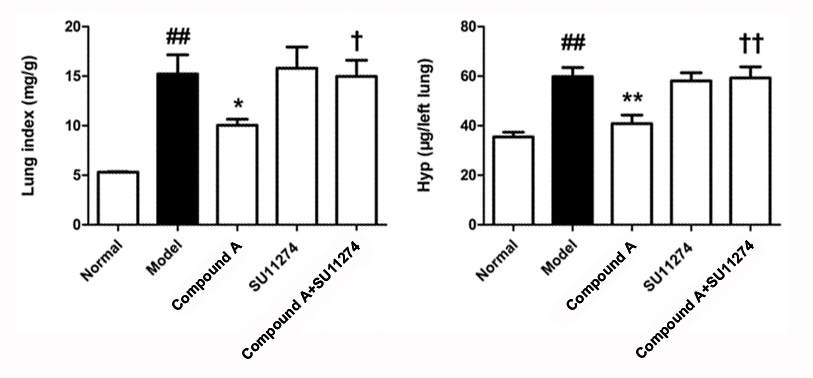
Introduction Several studies have found that hypothalamic Akt-mediated signaling pathways play critical roles in the regulation of food intake and Y 134 metabolism in mammals [[1], [2], [3], [4], [5], [6]]. Central injections of the inhibitor of phosphoinositide 3- kinases (PI3 K, an upstream re
-
Introduction Adenosine monophosphate cAMP is
2025-03-03
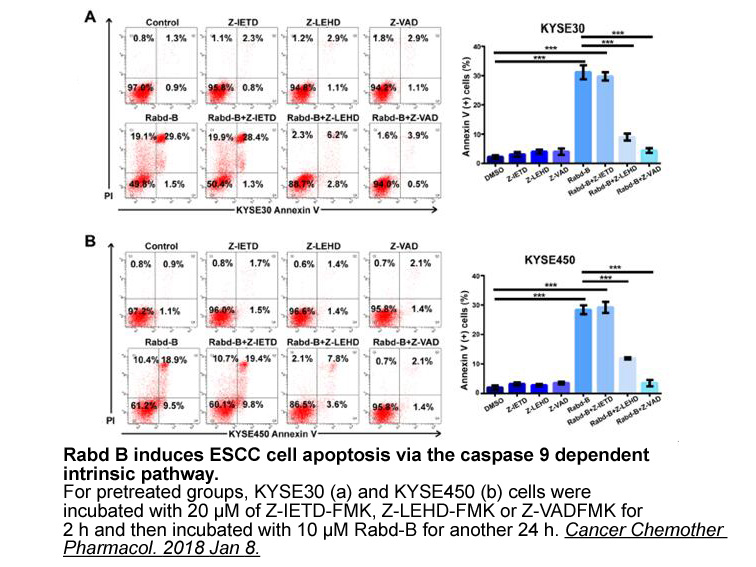
Introduction Adenosine 3′,5′-monophosphate (cAMP) is a general-purpose signaling molecule present in most branches of life. Intracellular cAMP levels control diverse cellular functions. In bacteria, cAMP regulates metabolism by activation of the catabolite activator protein (CAP), also known as cAM
-
Sperm total motility and hyperactivated motility are
2025-03-03
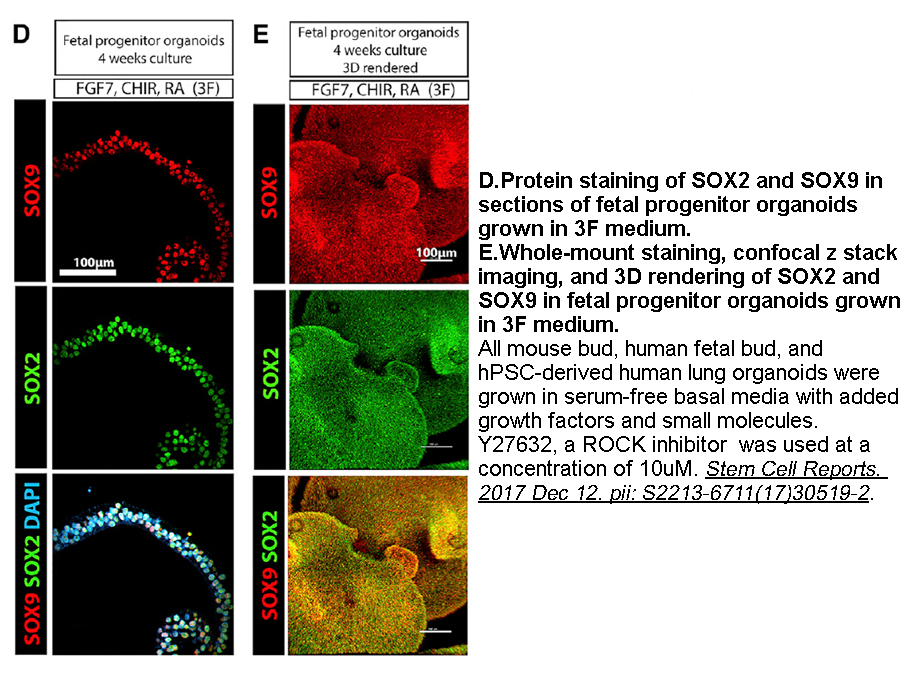
Sperm total motility and hyperactivated motility are mediated by PLD-dependent 7-Ethoxyresorufin polymerization [20]. Reduction of PIP2 synthesis inhibited actin polymerization and motility, and increasing PIP2 synthesis enhanced these activities. Furthermore, sperm demonstrating low motility conta
-
Even within the context of evidence
2025-03-03

Even within the context of evidence-based interventions for tobacco screening, the science is imperfect. For example, patients who screen positive for current smoking should receive cessation counseling and prescribed known effective nicotine replacement therapy based on the Public Health Services G
-
Many metalloenzyme inhibitors consist of two chemical compon
2025-03-03
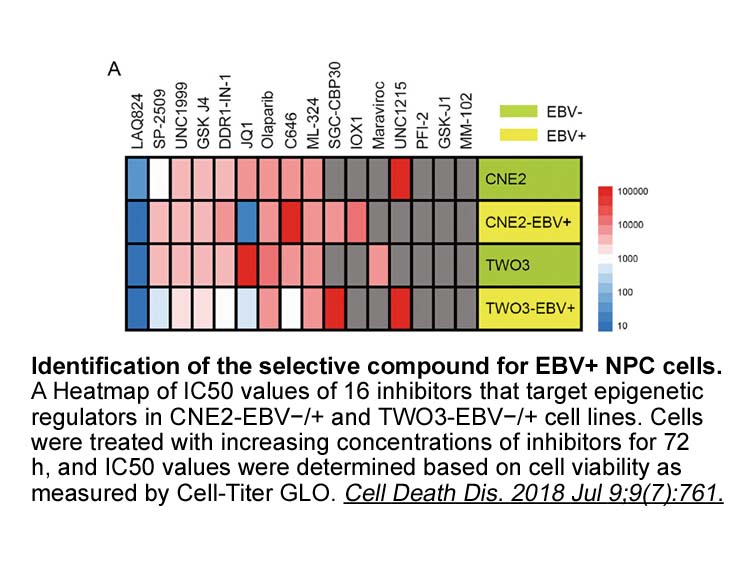
Many metalloenzyme inhibitors consist of two chemical components: the MBG, the portion of the inhibitor designed to bind to the metal, and the scaffold, the portion of the inhibitor recognized by the amino DBIBB residues that form the substrate-binding site of the metalloenzyme. The MGB is often a
-
To evaluate the ability of both
2025-03-01
To evaluate the ability of both sets of compounds to inhibit the activity of 15-LOX an initial screen was performed, whose results are shown in . The comparison of inhibition values would seem to indicate that, in the HYD series, an electron donor group at the position increases and an electron at
8568 records 39/572 page Previous Next First page 上5页 3637383940 下5页 Last page